
Seed Crowns®
Protecting Seeds and
Tender Young Plants
from Predators
Have squirrels, birds, or other creatures ever vandalized your freshly planted native seeds or seedlings? Seed Crowns® may hold the answer. Originally invented for conservation forestry applications, the patented shelters have helped save a wide range of plants in settings as diverse as alpine meadows of the Pacific Northwest, prairie restorations in Minnesota, backyard gardens in central Florida, and many places in between. Indeed, Seed Crowns® can help almost anywhere that either direct predation or incidental digging presents a serious obstacle to establishing desired plants.
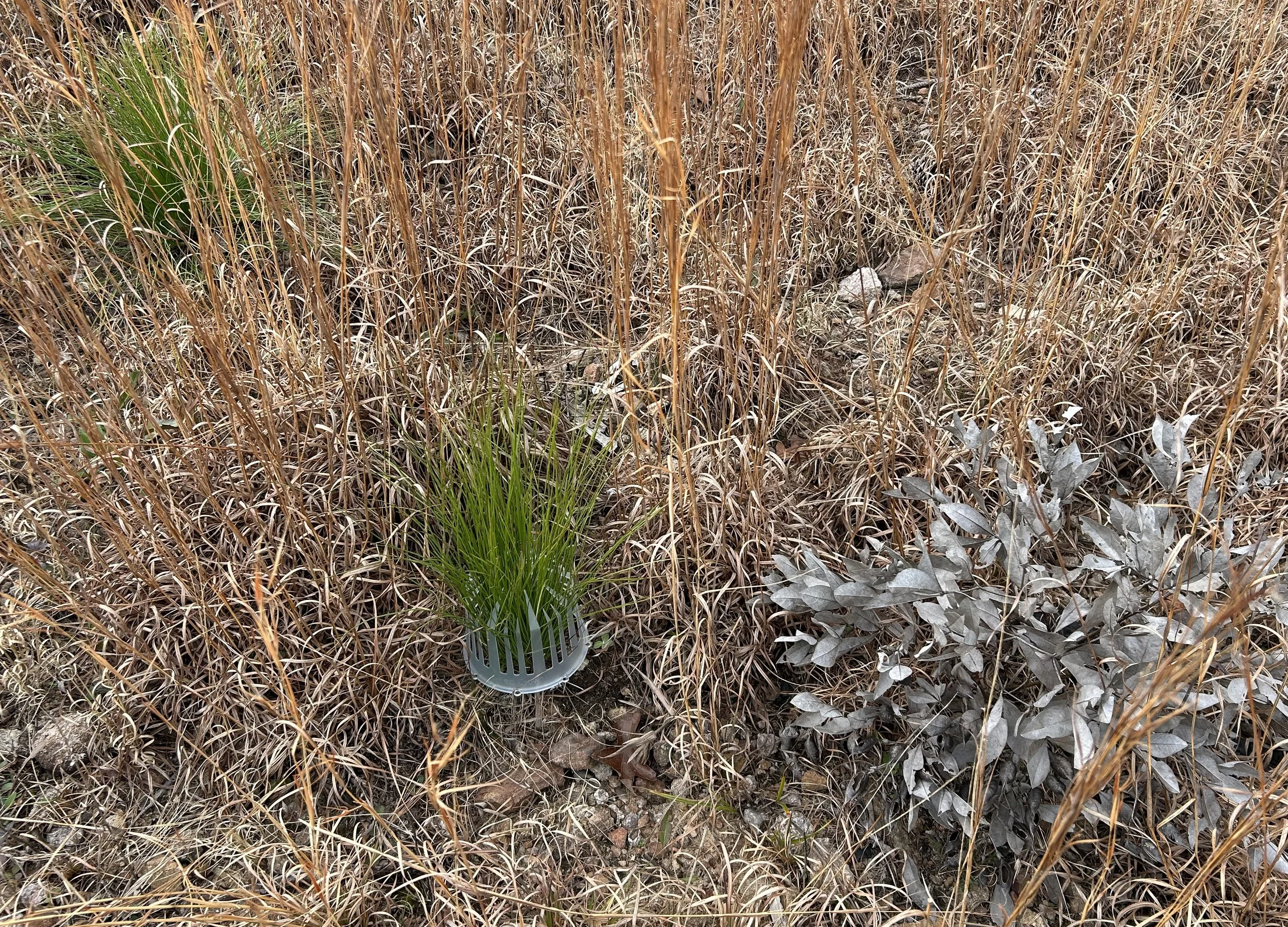
Direct seeded longleaf pine (Pinus palustris) thriving at two years among little bluestem (Schizachyrium scoparium) and false indigo (Batisia alba)
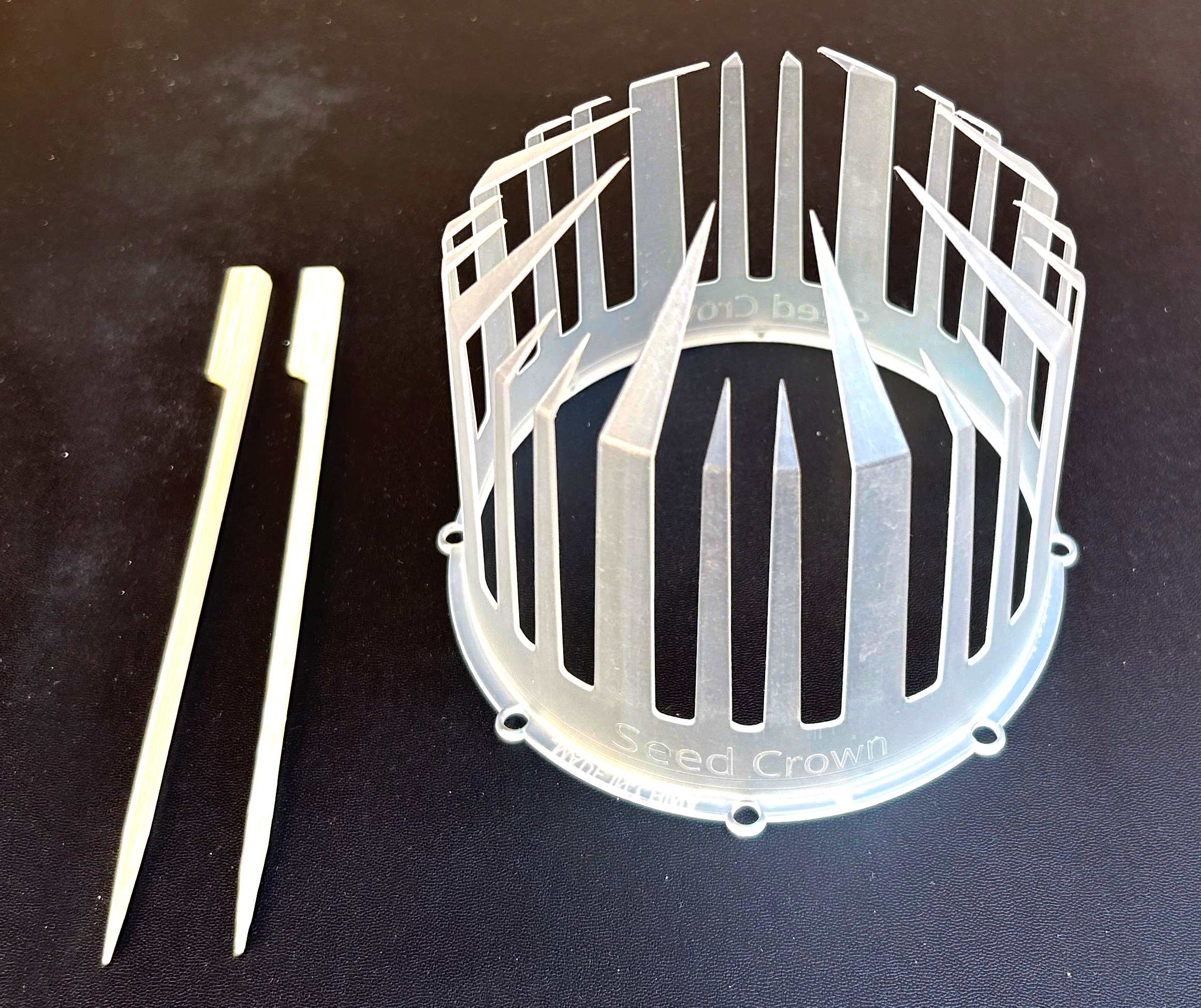
Key features of the specially designed shelters that make them effective include the absence of horizontal members above the base, allowing both the desired seedling and any cohabitating vegetation to emerge easily while keeping the seed predators out, yet still letting in both sunshine and rain. The angled palisades help prevent the smothering of emerging seedlings by forest leaf litter or garden mulch. The solid base helps keep incidental digging away from tender roots and also seems to reduce seed predation by some ants and insects.
How to use
Seed Crowns®
Scott walks through the design of the Seed Crowns®, best approach to planting trees such as Longleaf pine, Georgia Oak and Dogwood and shows off the results from using Seed Crowns®.
Seed Crowns® were invented for restoring longleaf pine with locally sourced seeds, but native plant enthusiasts quickly saw the potential for improving survival in other species
The rapidly growing list of native plants for which Seed Crown® have been shown to improve survival includes blue-eyed grass, wild strawberry, prairie petunia, desert parsley, maidenhair fern, Pacific rhododendron, great blue lobelia, checker lily, Pasque flower, prairie smoke, Carolina puccoon, hoary puccoon, Fringed puccoon, prairie turnip, prairie violet, Hill’s thistle, Wenatchee Mountain checker mallow, split-beard bluestem, and northern wormwood. Images below are with prototype Seed Crowns®.
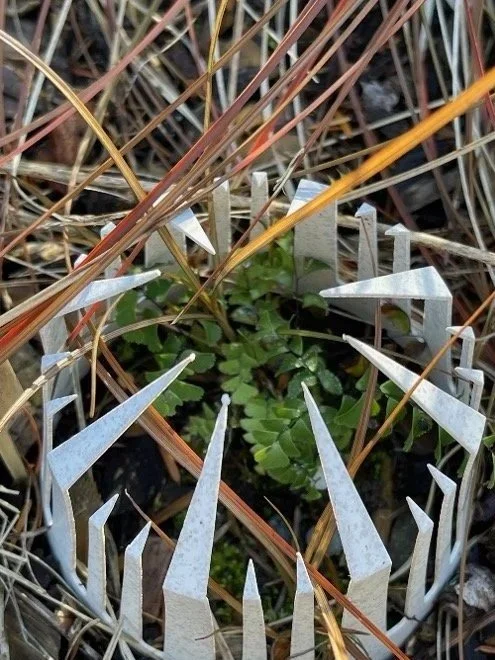
Maidenhair Fern
(Adiantum aleuticum)
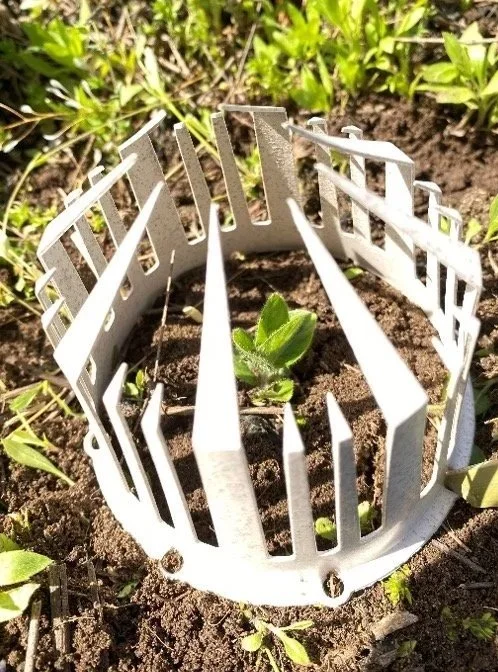
Wild Strawberry
(Fragaria virginiana)
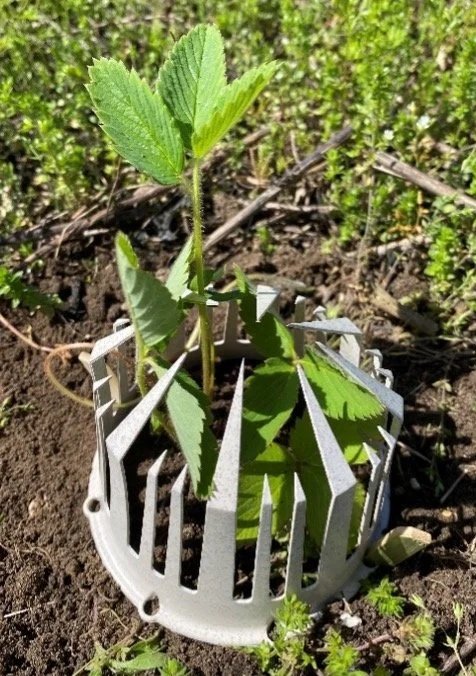
Prairie Petunia
(Ruellia humilis)
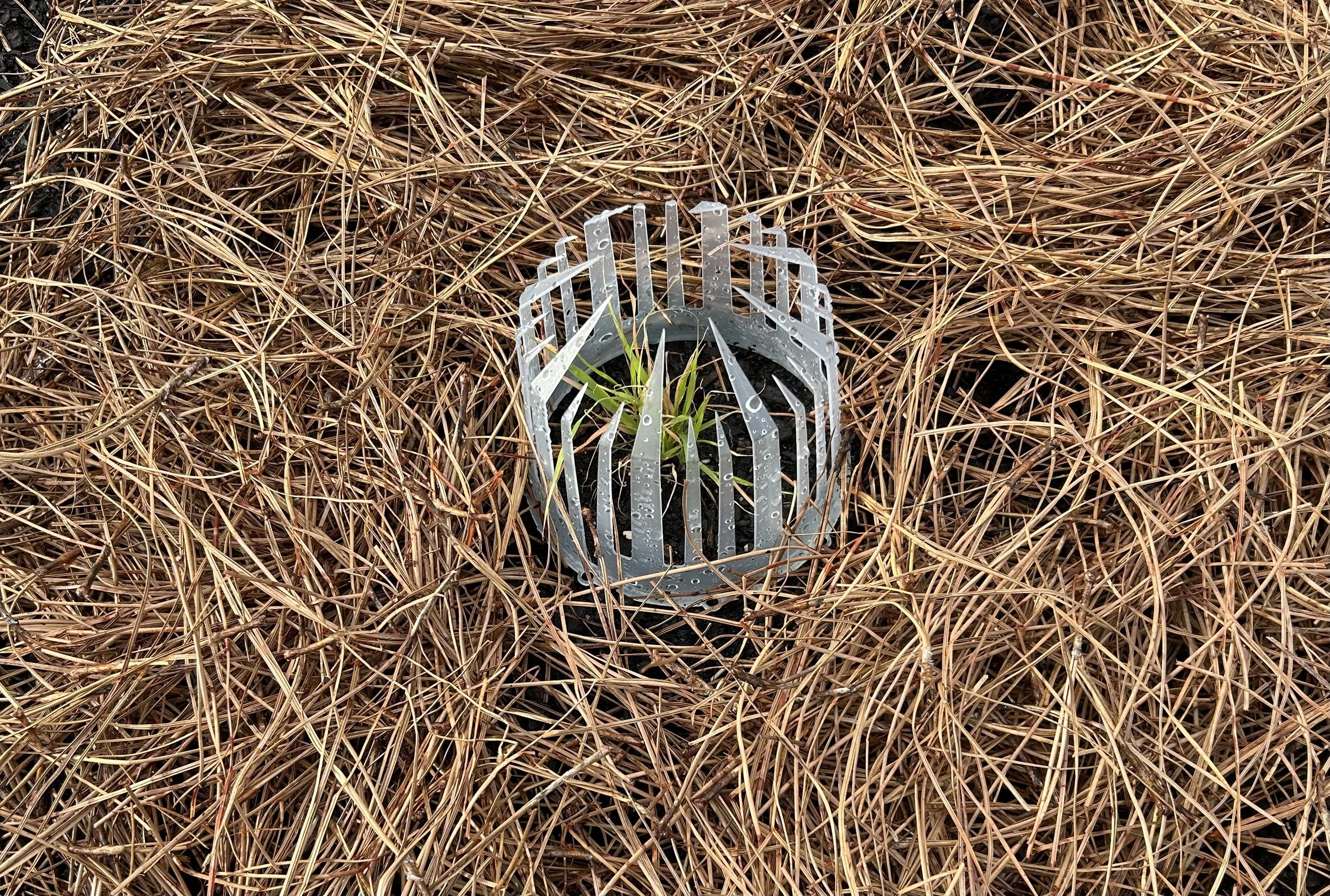
Little bluestem (Schizachyrium scoparium)
In addition to reducing losses from direct predation, Seed Crown® greatly reduce accidental losses from squirrels and other animals that like to dig in fresh dirt
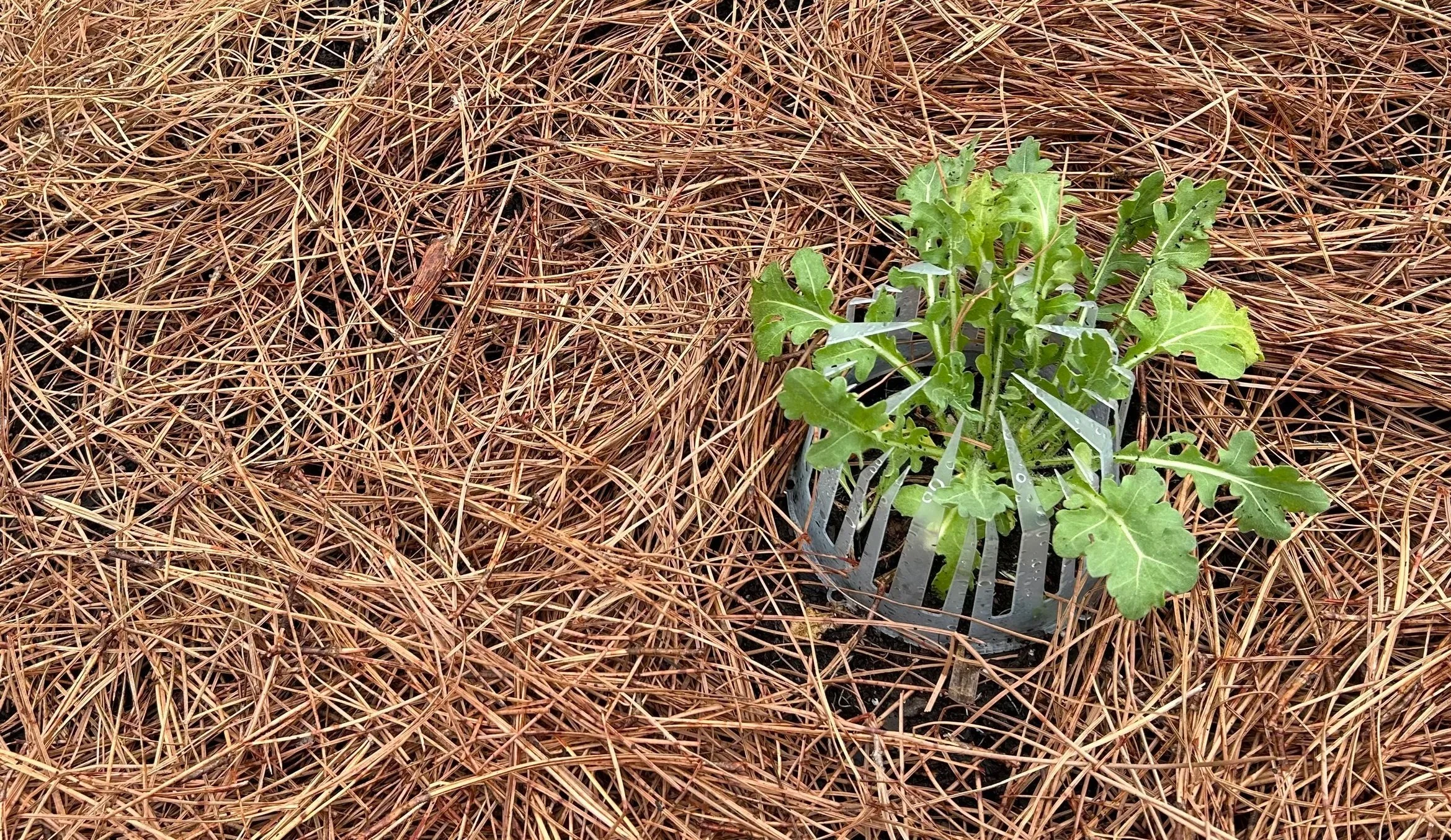
Heavy leaf litter in the forest or mulch in the forest can easily damage or even smother young seedlings. The varied lengths and angles of the palisades help keep tender young plants safe from encroaching debris. Images below are with prototype Seed Crowns®.
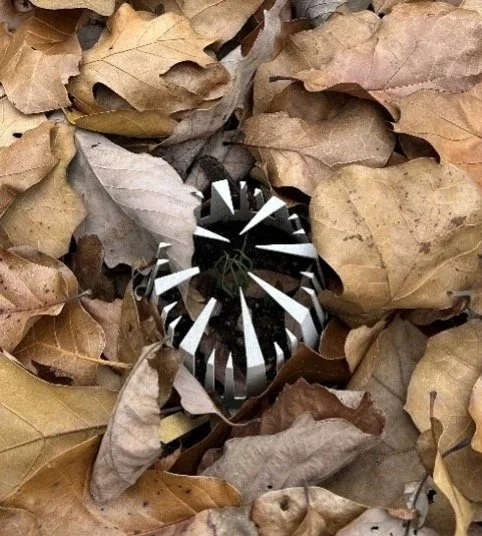
Longleaf seedling planted in hardwood canopy gap, at 8 weeks
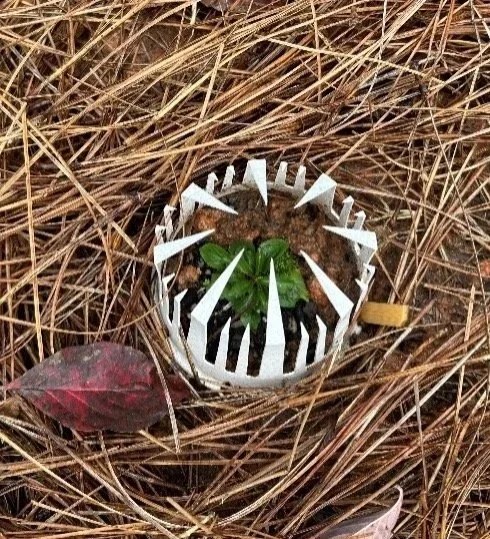
Great blue lobelia (L. siphilitica) Planted as plugs in pine straw mulch
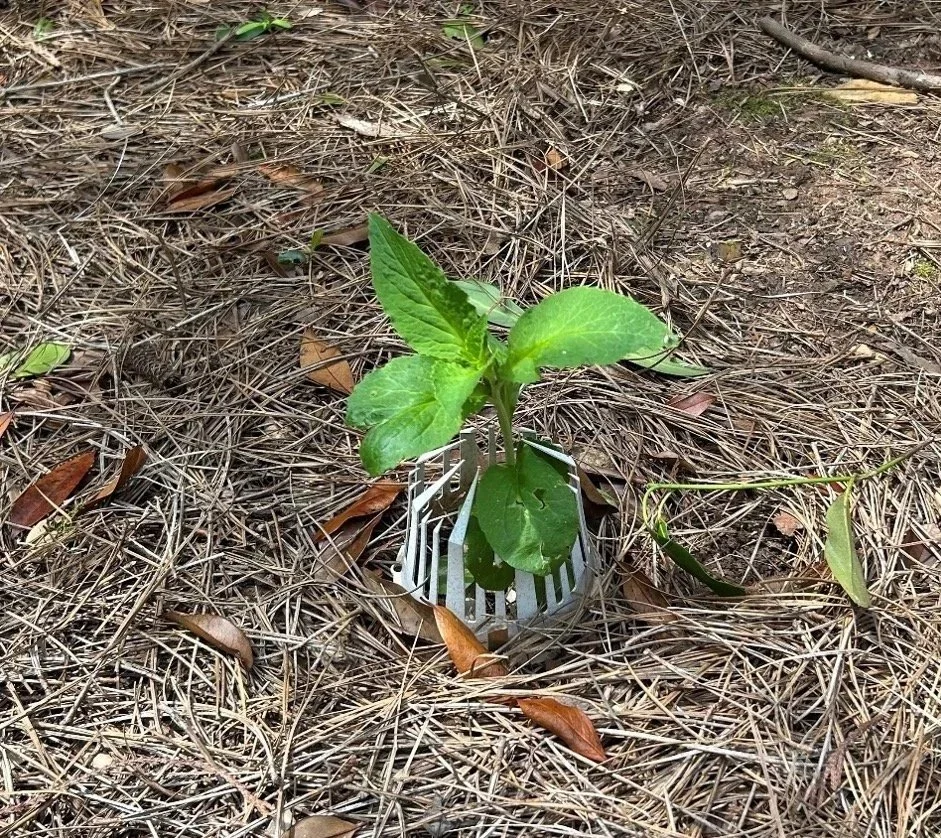
Great blue lobelia (L. siphilitica) at three months
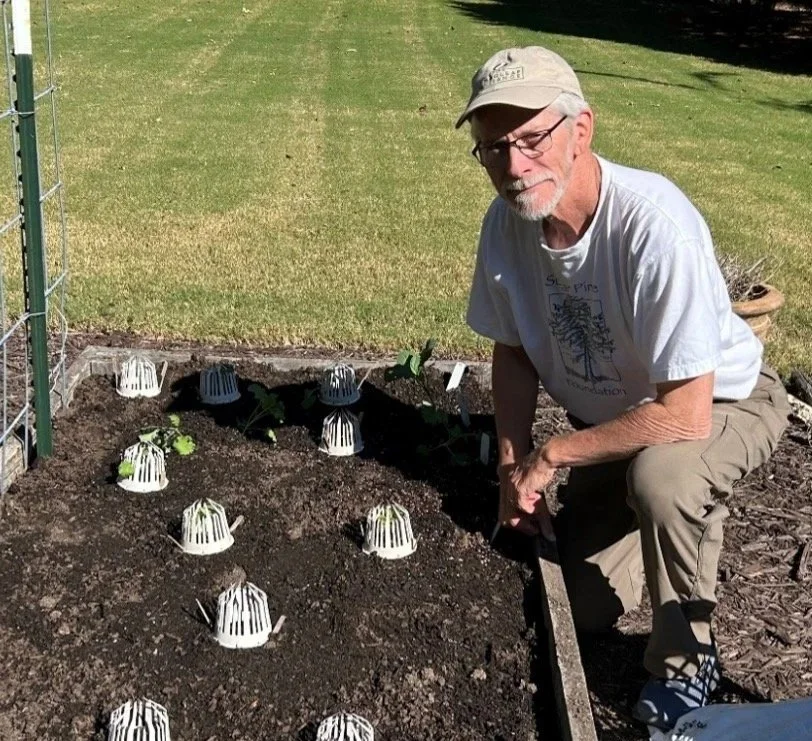
While Seed Crowns® were conceived with wild places in mind, they’re handy in the backyard garden, too.
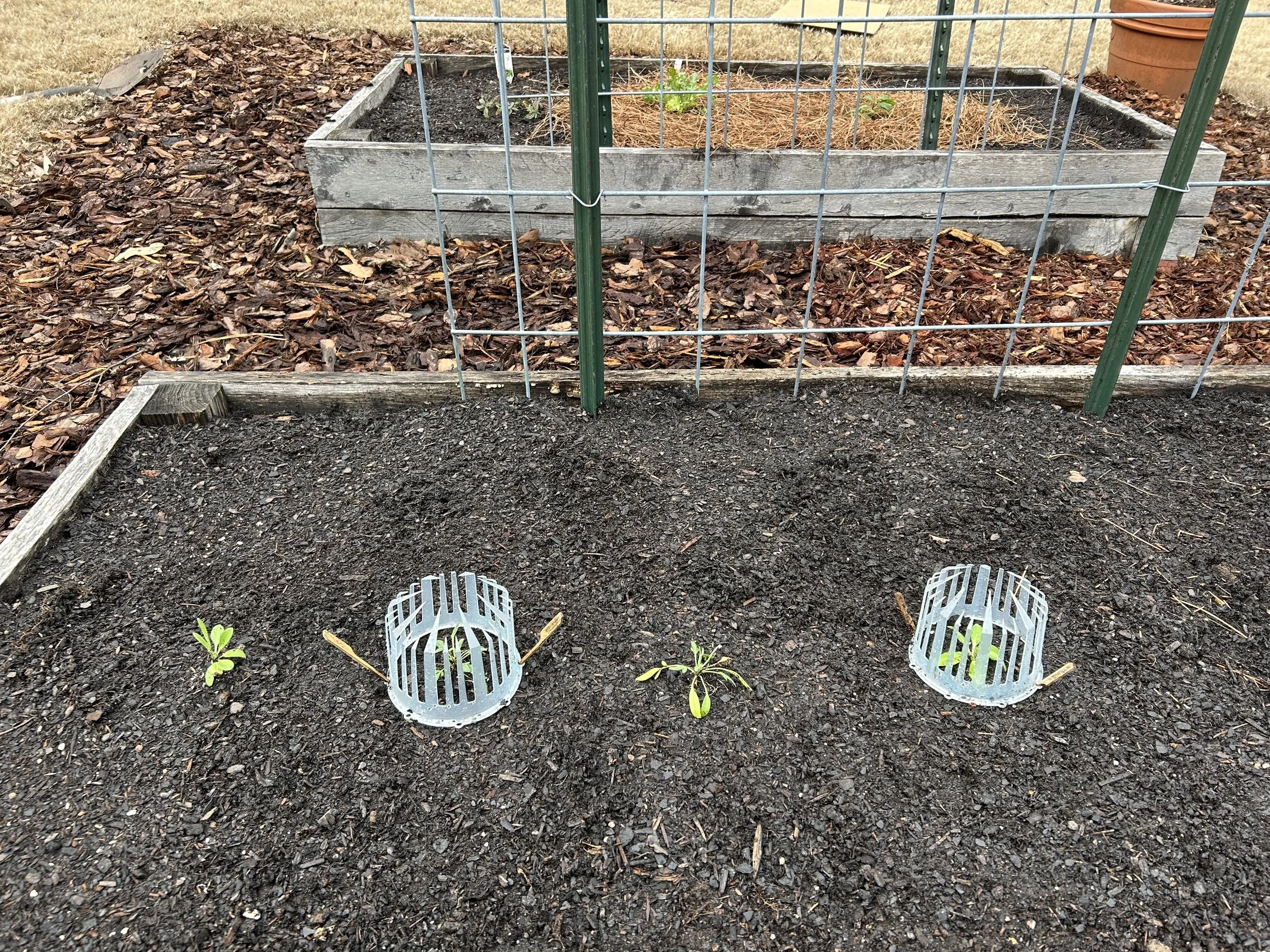
Seed Crown® Results
Seed Crown® results of a plot planted December 2022
Seed Crown® results of a plot planted January 2023
Seed Crown® results of a plot planted October 2023